New FIS–WMO report brings weather and climate guidance to snow sports
Nov 03, 2026·Inside FIS
As temperatures rise and snow conditions become less predictable due to climate change, ski resorts and snow sports event organizers face growing uncertainty about how to manage operations and plan for the future. To help address these challenges, the International Ski and Snowboard Federation (FIS) and the World Meteorological Organization (WMO) have released the Weather and Climate Services for Ski Resorts report.
When can a resort make snow? How can organizers prepare for weather-related disruption? And which investments will help destinations adapt to future conditions? Published on November 3, 2026, the report draws on weather and climate science to address these questions, explaining how the industry can anticipate changing conditions, adjust operations accordingly, and limit climate-related disruption.
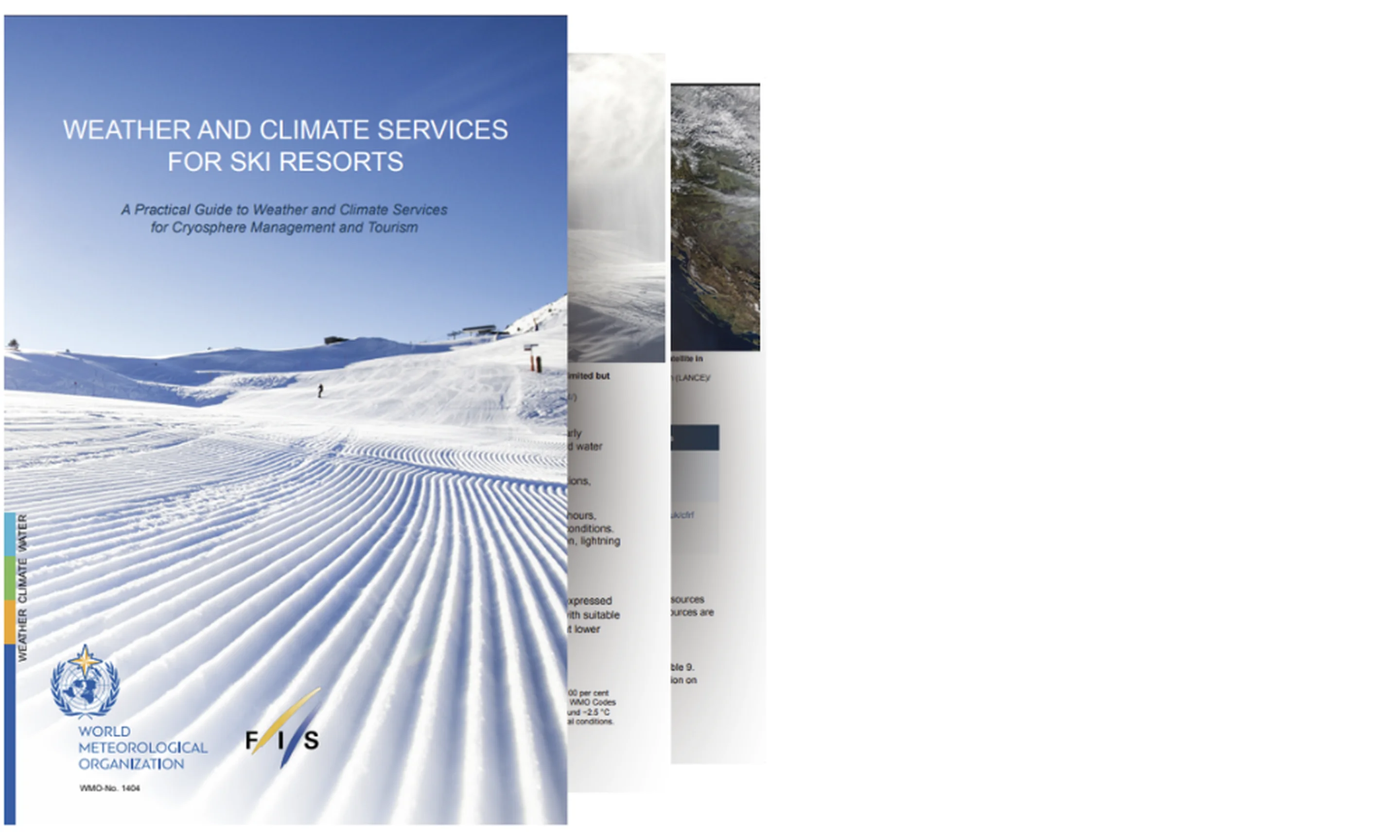
An accompanying practical guide provides a shorter, nontechnical reference for operators, explaining what weather and climate information they need, when to use it, and where to find relevant forecasts, data, and tools.
Both resources are designed for those running ski facilities, managing mountain destinations, and organizing ski events and winter festivals. They also help National Meteorological and Hydrological Services (NMHSs) and other providers develop and deliver relevant services.
Addressing the growing climate pressures on snow sports
Disrupted seasons are already exposing the vulnerability of snow sports to changing weather conditions. During the 2025/2026 season alone, adverse weather forced the cancellation of 25 Ski World Cup races, according to internal FIS calculations.
The longer-term outlook adds urgency. Research published in Nature Climate Change projects that, at 2°C of warming above preindustrial levels, 53% of 2,234 ski resorts across 28 European countries would face a very high risk of insufficient snow without snowmaking.
Rising temperatures and retreating glaciers are making snow less reliable and reducing the availability of suitable training and competition venues. The IPCC reports that at lower elevations in mountain regions, snow cover duration has declined by an average of five days per decade since the mid-20th century (with regional variations). In addition, according to WMO’s 2025 climate and water resources reports, 2015–2025 were the 11 warmest years on record globally, and widespread glacier loss continued across all regions for four consecutive years.
The pressure to adapt is growing, particularly for lower-elevation resorts, where warmer temperatures, limited water supplies, and energy costs constrain snowmaking.
Read the full report: Practical guidance for today’s decisions and tomorrow’s investments
The Weather and Climate Services for Ski Resorts report and practical guide explain how weather and climate information can support decisions across three planning timescales:
Running daily operations: Live weather updates, short-term forecasts, weather warnings, and avalanche bulletins can help teams operate lifts safely, plan grooming and snowmaking, keep visitors informed, and decide whether events can go ahead.
Preparing for the season: Forecasts covering the weeks and months ahead can help managers plan opening and closing dates, staffing, budgets, and event schedules. Forecasts can also guide snowmaking, water and energy use, and marketing.
Investing for the future: Historical records and projections of future climate conditions can help destinations decide where to invest, how much snowmaking capacity they may need, and how to develop activities beyond skiing. This information can also inform insurance decisions and broader plans to adapt to a changing climate.
This work builds on a partnership FIS and WMO formalized in October 2024. A subsequent webinar introduced race and ski area managers to climate risk tools, while a joint glacier visit in October 2025 reinforced the need for guidance tailored to their challenges. The Weather and Climate Services for Ski Resorts report turns that shared ambition into practical support for winter sports and tourism, and the communities and livelihoods that depend on them.